
Why Your Makeup Looks Different in Photos vs Real Life (Makeup Artist Explains)
If you’ve ever looked in the mirror and loved your makeup, only to see a photo later and think “Why does it look like that?”, you’re not alone.
As a professional makeup artist in Los Angeles, I hear this all the time from clients preparing for events, photoshoots, and red carpet appearances. The truth is that makeup behaves very differently under cameras than it does in real life. Lighting, lenses, flash photography, and even the way cameras capture color can completely change how makeup appears in a photograph.

Professional makeup artists are trained to anticipate these differences so your glam looks just as beautiful in photos as it does in person! Let’s break down the most common reasons your makeup may look different in photos — and what professional artists do to fix it:
Cameras Flatten the Face
One of the biggest surprises people experience when they see themselves in photos is how flat their face appears. In real life, our faces have natural dimension from bone structure, shadows, and light. But cameras tend to compress depth, especially smartphone cameras or lenses with flash. That’s why makeup designed for photography often includes more sculpting than everyday makeup.
Professional techniques that help restore dimension include:
Strategic contour placement
Highlighting high points of the face
Creating dimension with each layer
Defined brows to frame the face
This doesn’t mean the makeup looks heavy in person — it’s carefully balanced so that the camera reads it correctly.
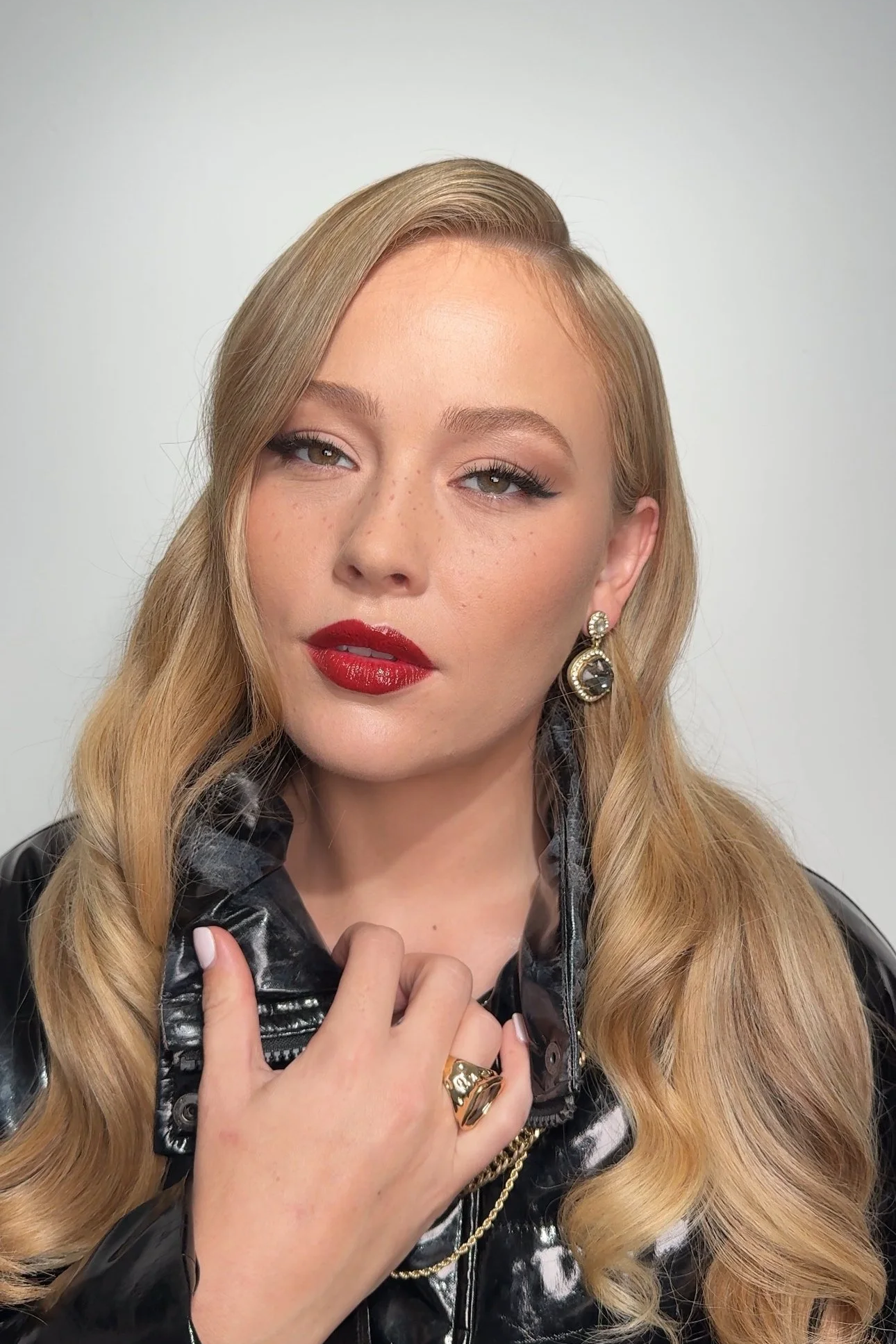
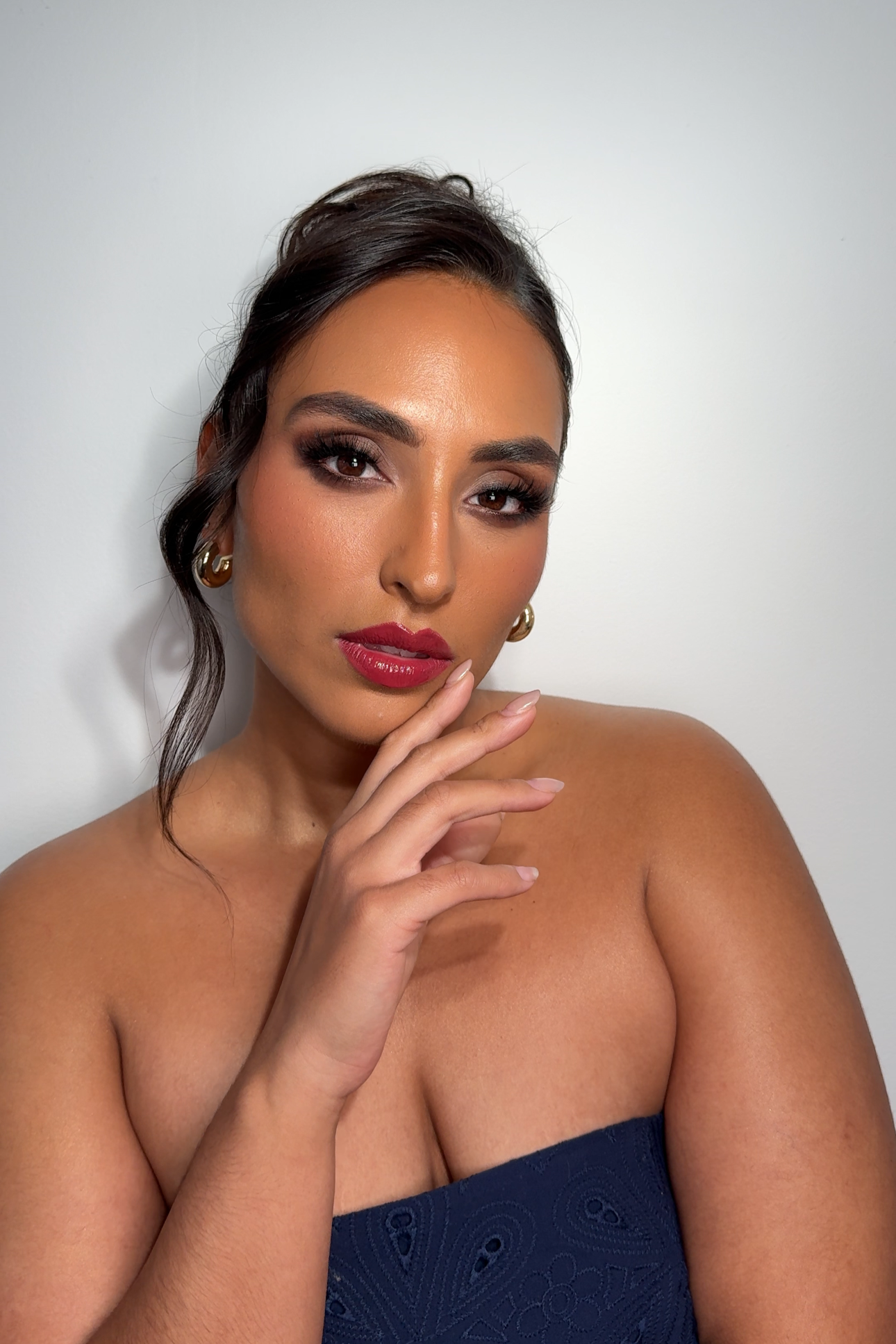
This is one reason red carpet makeup often looks stronger up close, but absolutely perfect in photographs.
Lighting Changes Everything
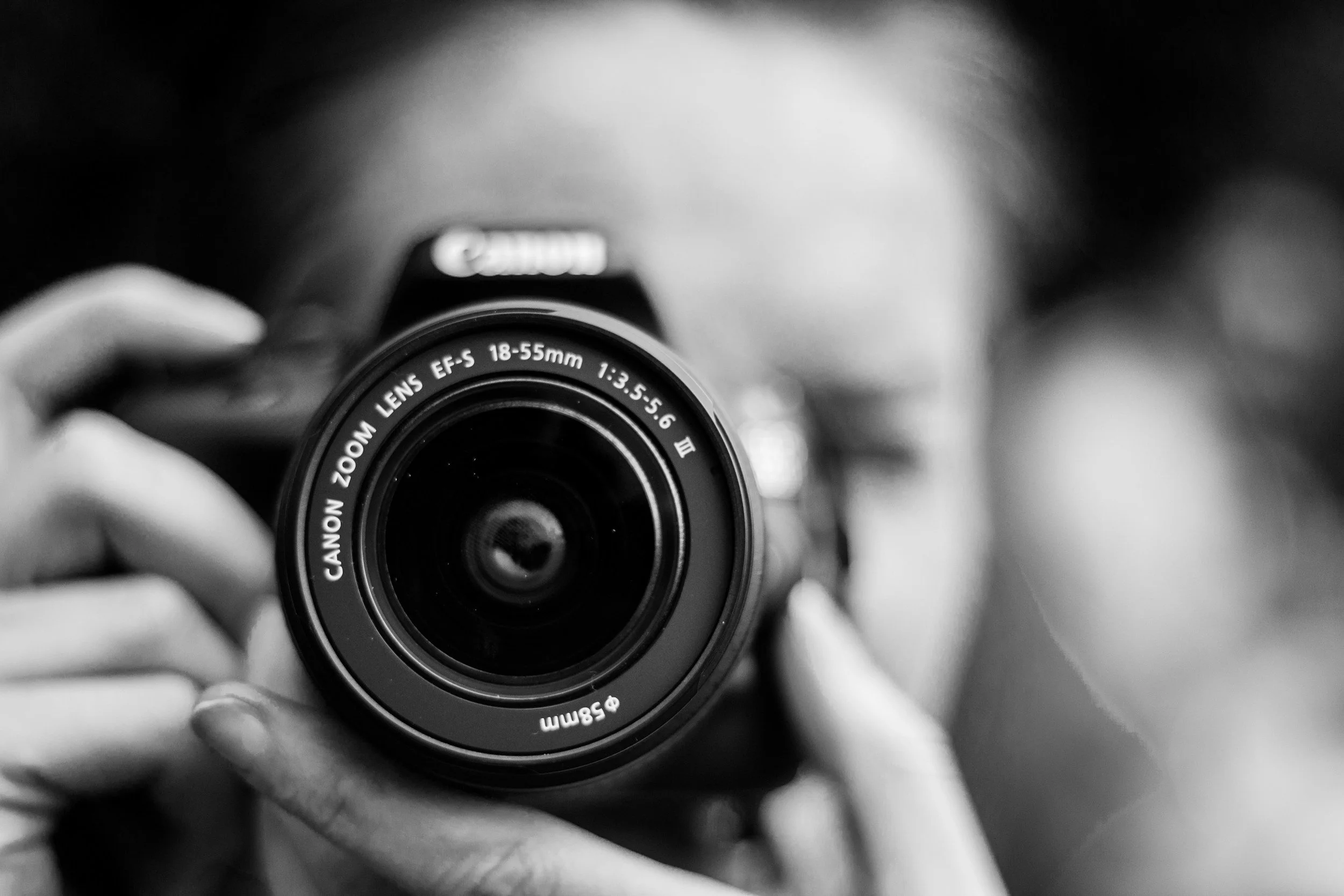
Lighting is one of the biggest factors in how makeup translates on camera.
In everyday life, we typically see ourselves under soft lighting: bathroom lights, natural daylight, or indoor ambient light.
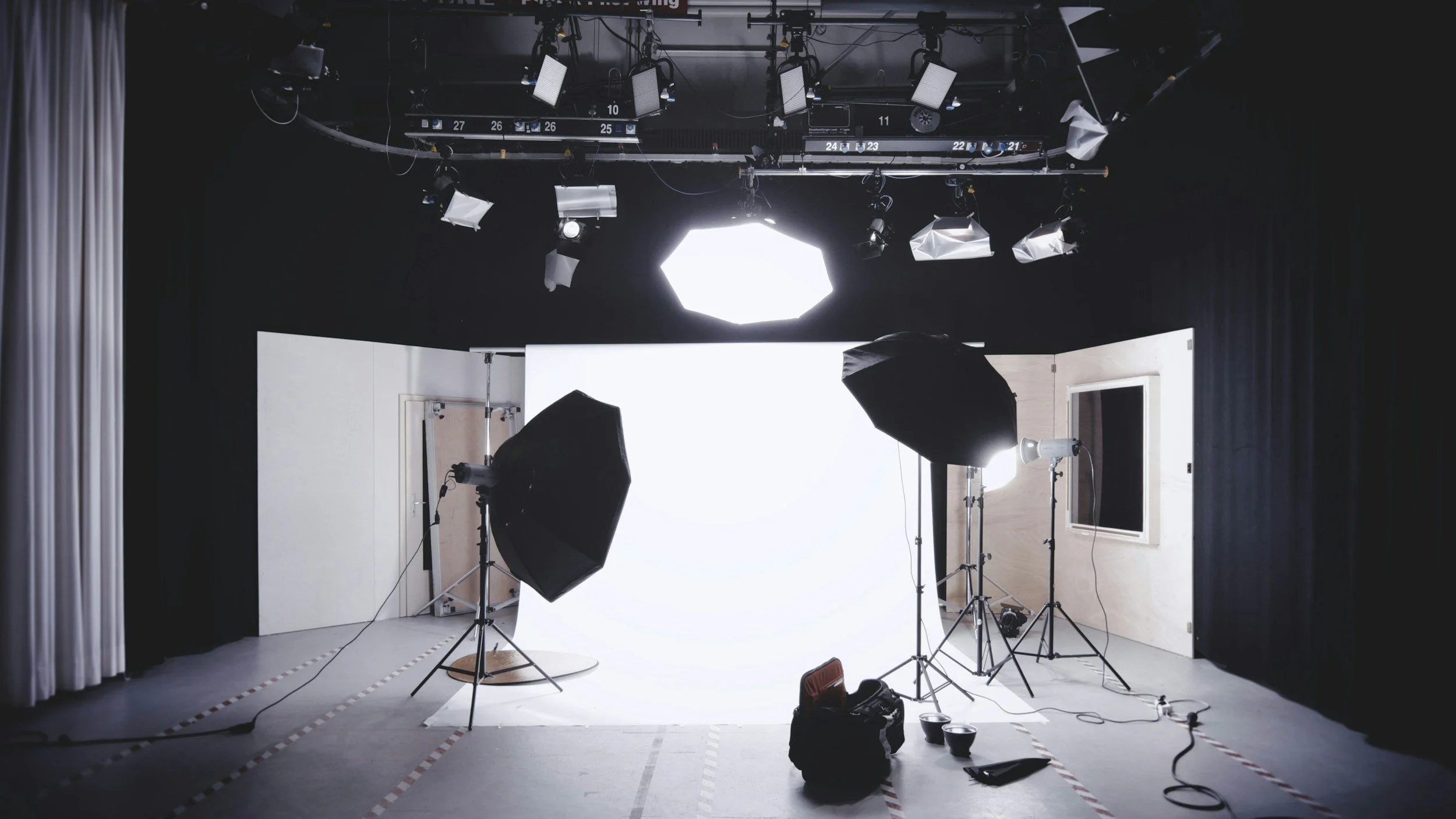
But events and photoshoots introduce lighting conditions like:
Flash photography
Studio lights
Bright overhead venue lighting
Colored or warm lighting environments
Each of these affects makeup differently. For example:
Bright lighting can wash out bronzer and blush
Flash can erase subtle contour
Warm lighting can shift lipstick colors
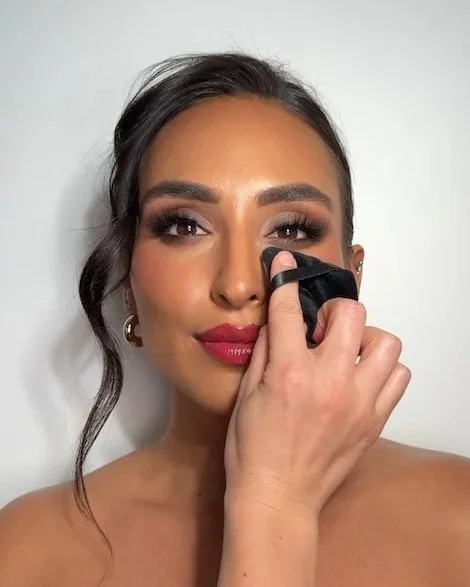
When I prepare a client for an event or photoshoot, I always consider where they’ll be photographed so the makeup holds up in that specific lighting.
Some Powders Cause Flashback
You may have seen photos online where someone’s under-eye area appears white or chalky in flash photography. This effect is called flashback, and it happens when certain ingredients in makeup reflect camera flash.
The most common culprits include:
silica
titanium dioxide
certain SPF ingredients
These ingredients are deemed safe in everyday makeup, but under flash they can bounce light back toward the camera, creating that bright white effect.
Professional makeup artists are careful about which powders and setting products we use when we know flash photography will be involved.
Avoiding flashback is a key part of creating camera-ready makeup.
Colors Look Different on Camera
Another reason makeup may appear different in photos is because cameras capture color differently than the human eye. Certain shades that look soft and balanced in person can appear much lighter in photos.
For example:
Soft contour may disappear entirely
Nude lip colors can look washed out
Blush may not show up on camera
Eyeliner may appear less defined
This is why professional makeup artists often slightly intensify certain features when preparing someone for photography. It’s not about making the makeup heavy — it’s about ensuring the camera captures the intended look.
Foundation Needs to Match More Than Just Skin Tone
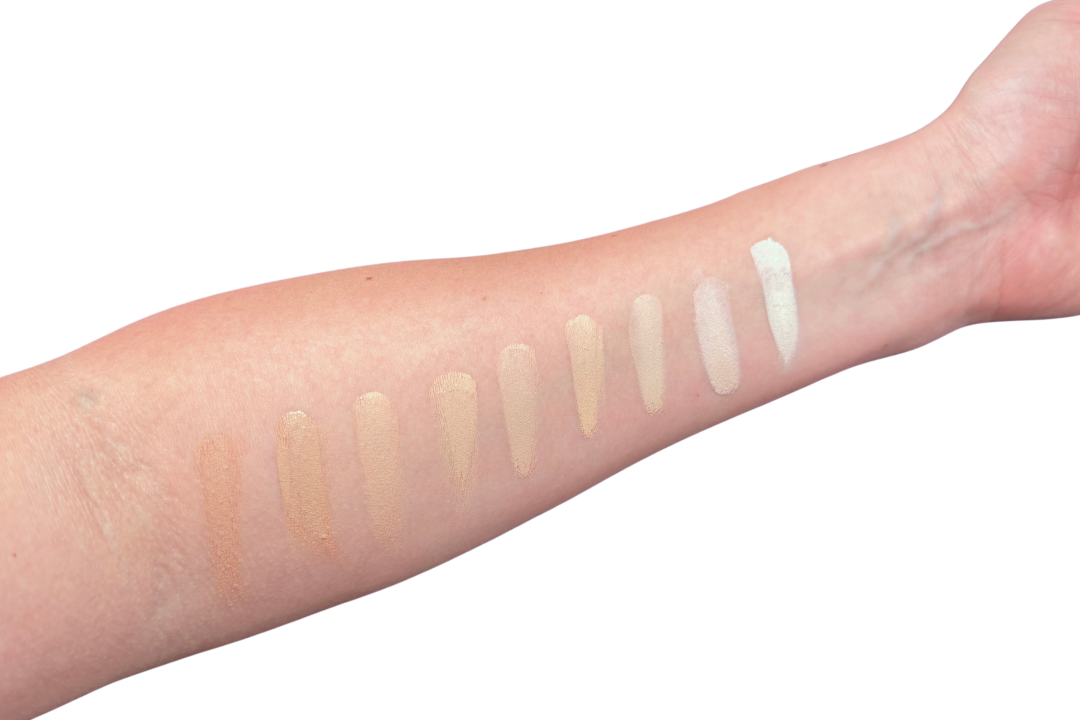
Most people choose foundation based on how it looks in the mirror, but photography introduces another important factor: undertone and reflection.
Certain foundations can look perfect in person but appear:
overly glowy or shiny
slightly gray
overly warm or orange
or uneven in flash photography
Professional artists carefully choose formulas that photograph well under both natural and artificial lighting. Skin preparation also plays a huge role here. A properly prepped complexion ensures foundation sits smoothly and reflects light in a flattering way.
Texture Shows More on Camera
High-resolution cameras and modern smartphone lenses are incredibly detailed. That means texture — like dryness, pores, or heavy powder — can become more visible in photos. To combat this, professional artists focus heavily on skin prep before makeup even begins.
This may include:
gentle exfoliation
hydrating skincare
smoothing primers
cream-based products layered strategically
The goal is to create a smooth, luminous base that looks polished both in person and in photographs.
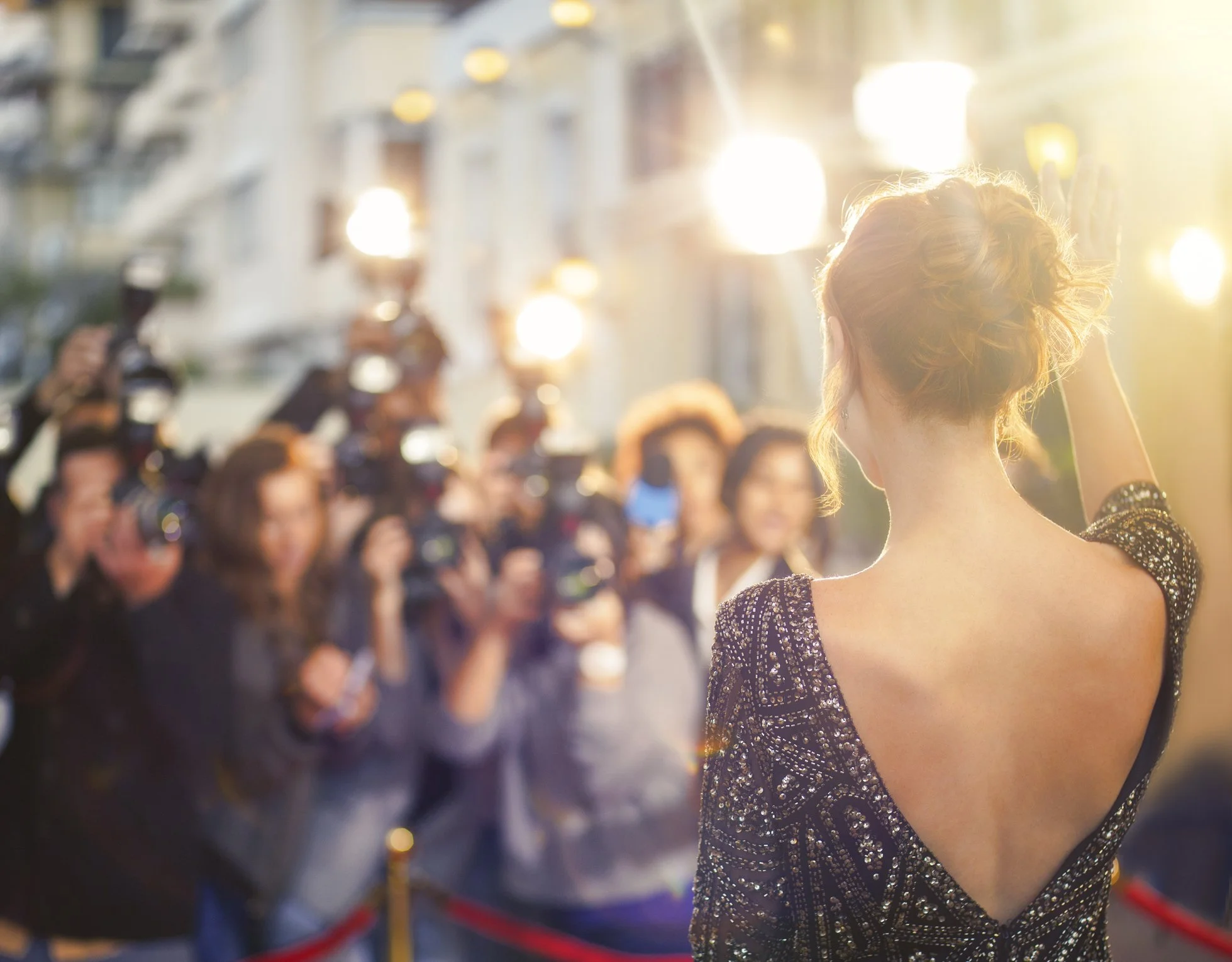
Why Red Carpet Makeup Is Different
When celebrities walk the red carpet, their makeup needs to withstand:
HD cameras
strong flash photography
bright studio lighting
hours of wear
That’s why red carpet makeup techniques are specifically designed to photograph beautifully.
Some of the adjustments artists make include:
stronger sculpting for dimension
long-wear complexion products
strategic product layering and placement
defined eyes and brows
lip colors that maintain impact on camera
These techniques help ensure the makeup translates beautifully in every photograph taken throughout the evening.
The Difference Professional Glam Makes
When you’re attending an event, gala, photoshoot, or special celebration, you’re likely going to be photographed.
Professional glam isn’t just about looking good in the mirror — it’s about ensuring your makeup holds up under lighting, flash, and cameras.
A professional artist considers factors like:
lighting conditions
flash photography
camera lenses
skin preparation
long-wear performance
All of these details help ensure you look polished and confident both in person and in photos.
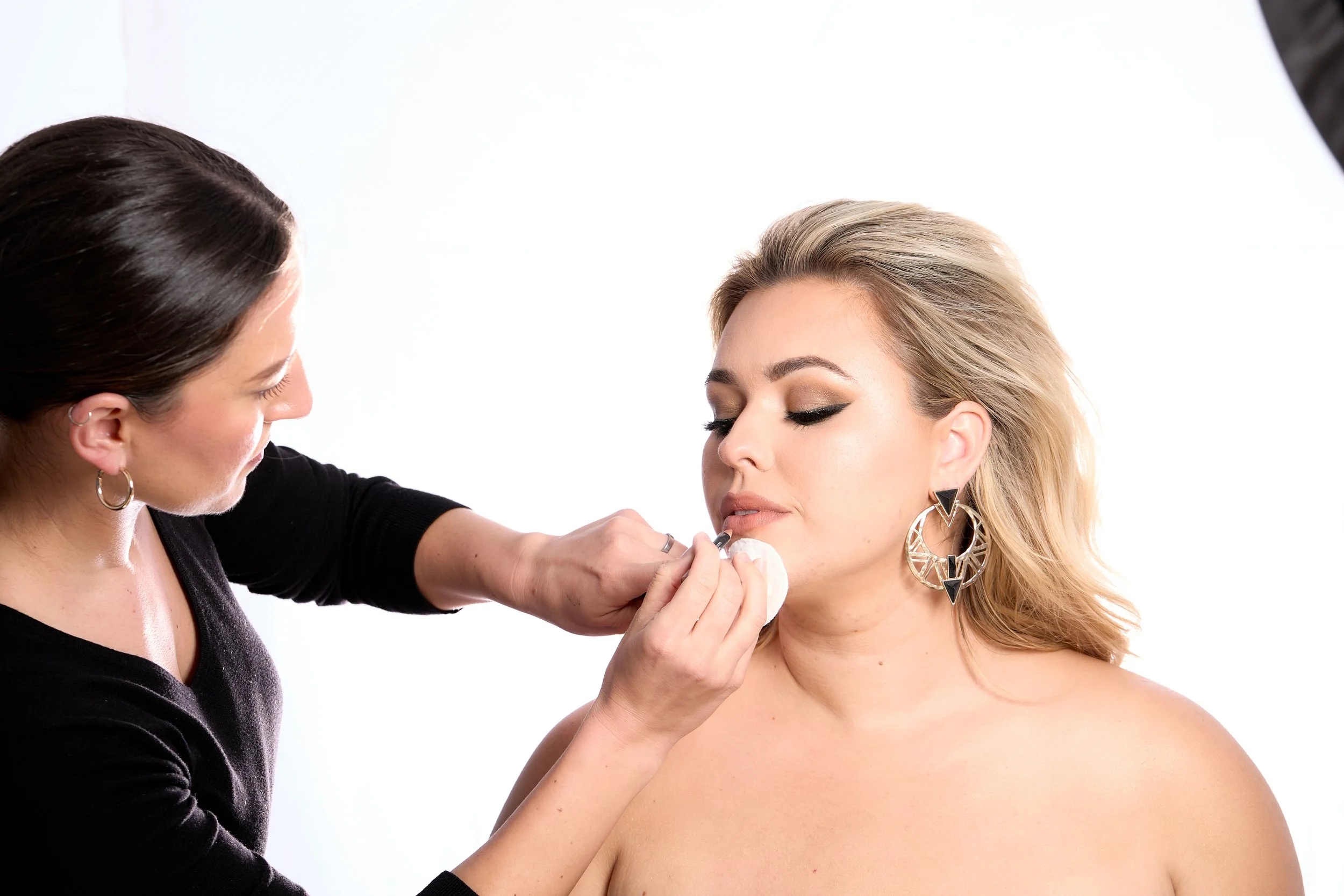
Photo by Katie Driscoll Photography
Booking Professional Event Glam in Los Angeles
If you’re preparing for a special event, photoshoot, or red carpet moment in Los Angeles, professional glam can make a significant difference in how you look and feel on camera.
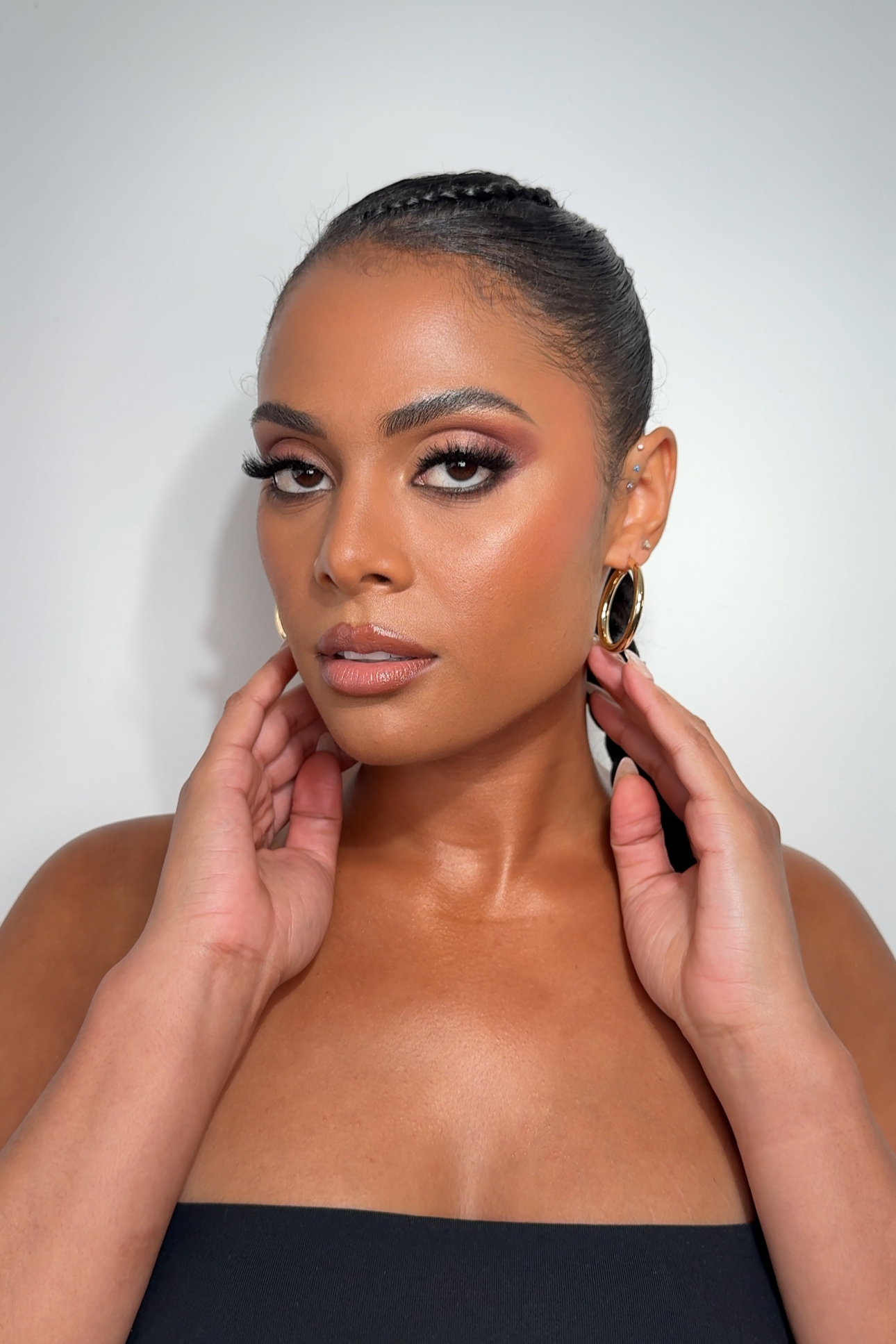
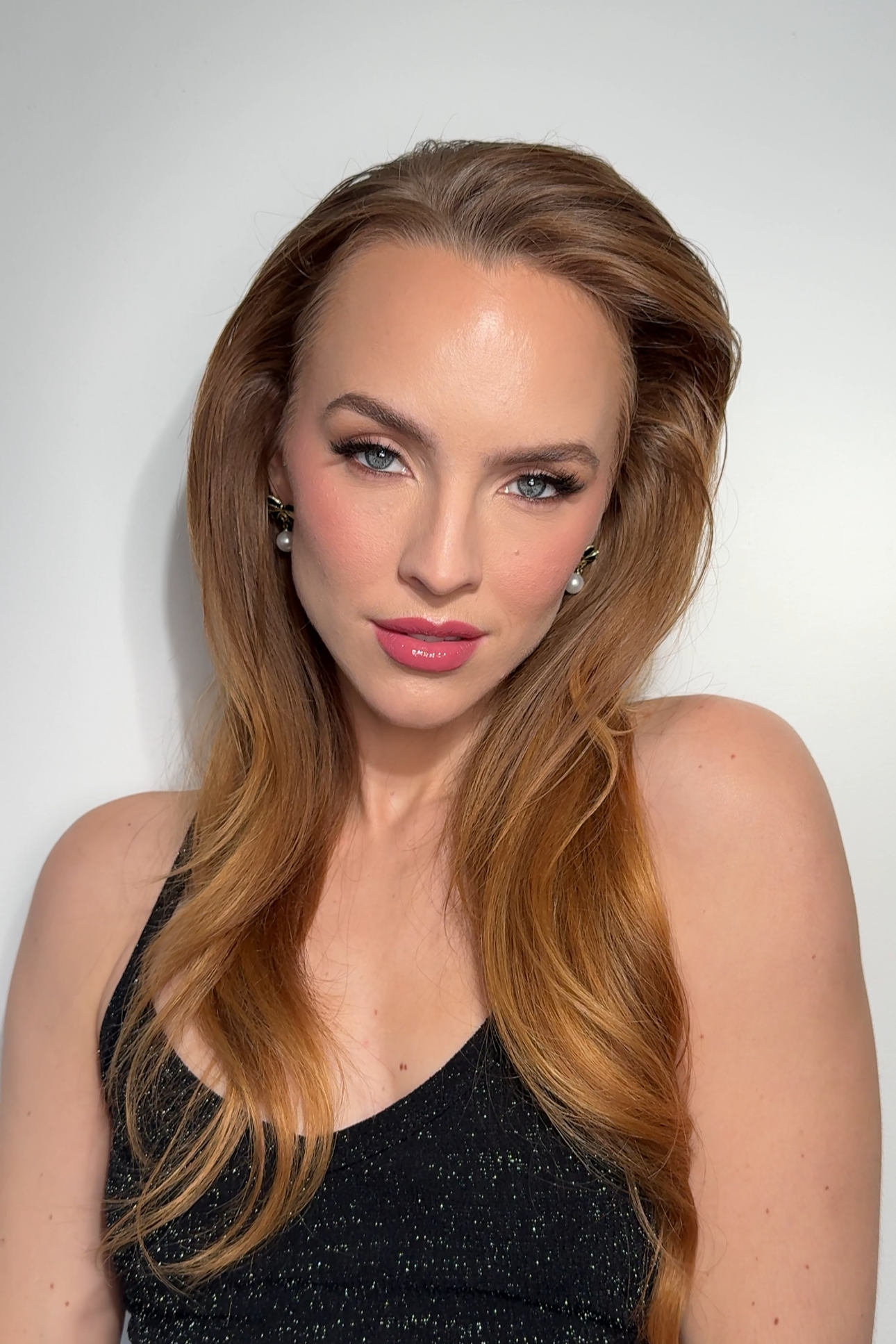
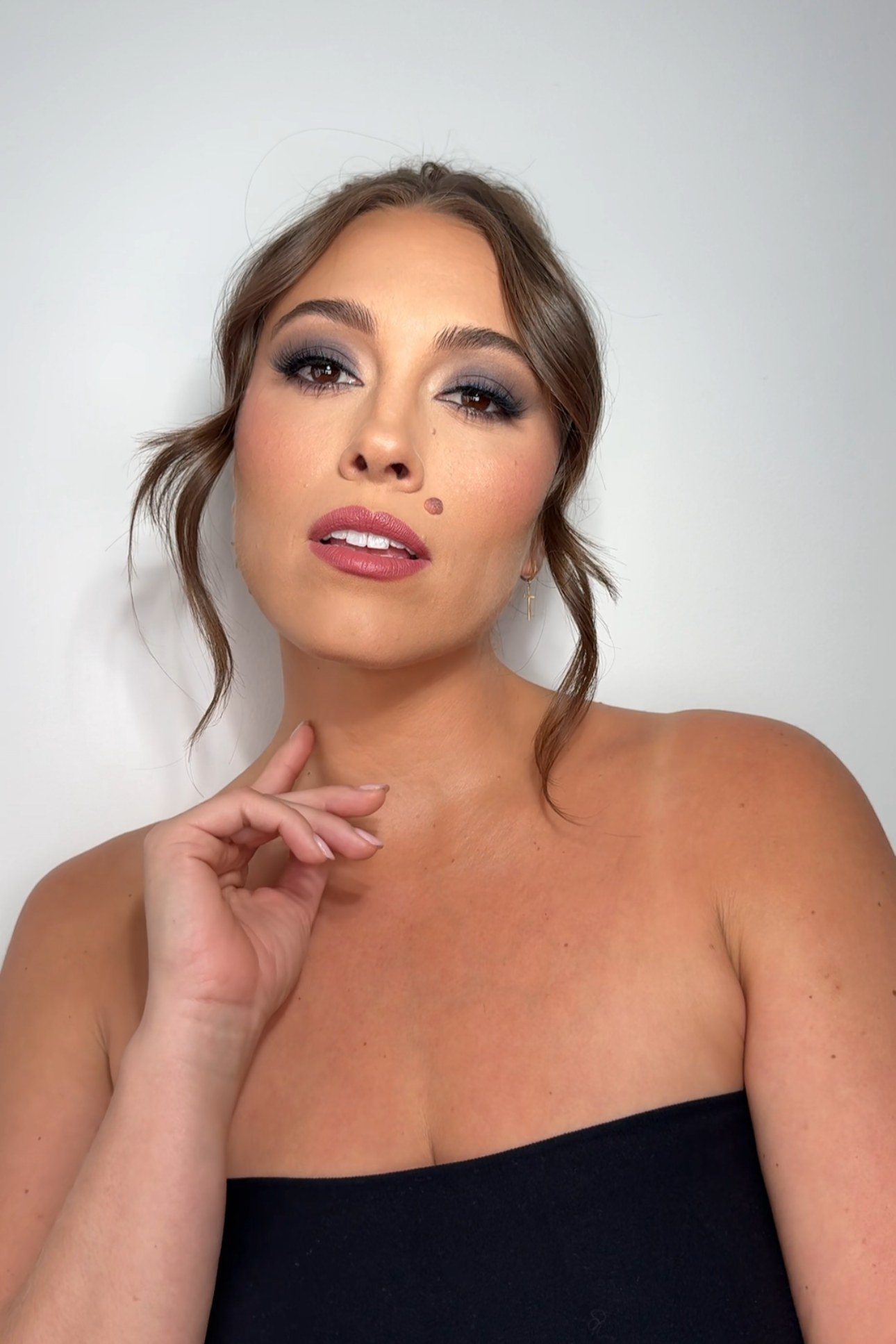
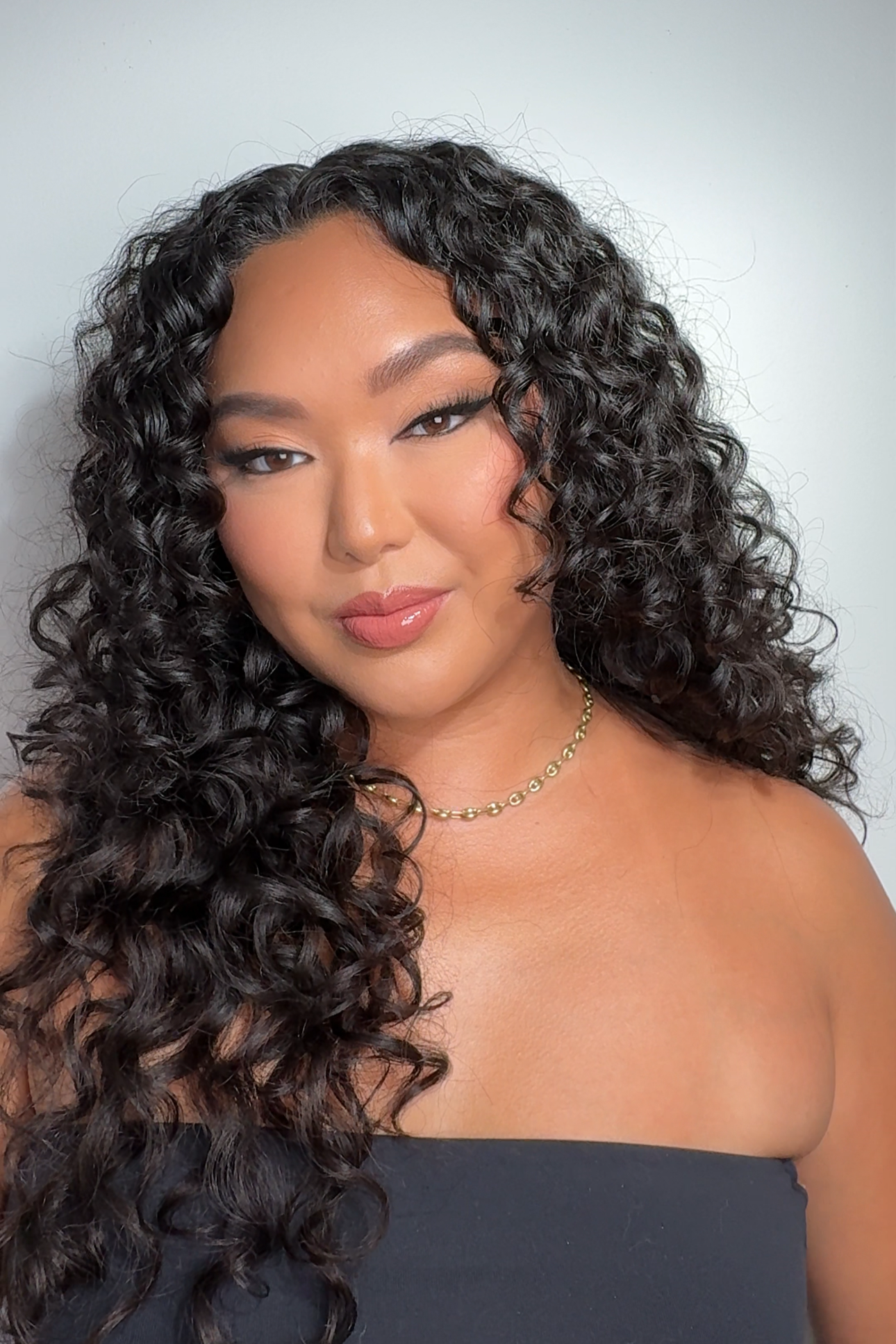
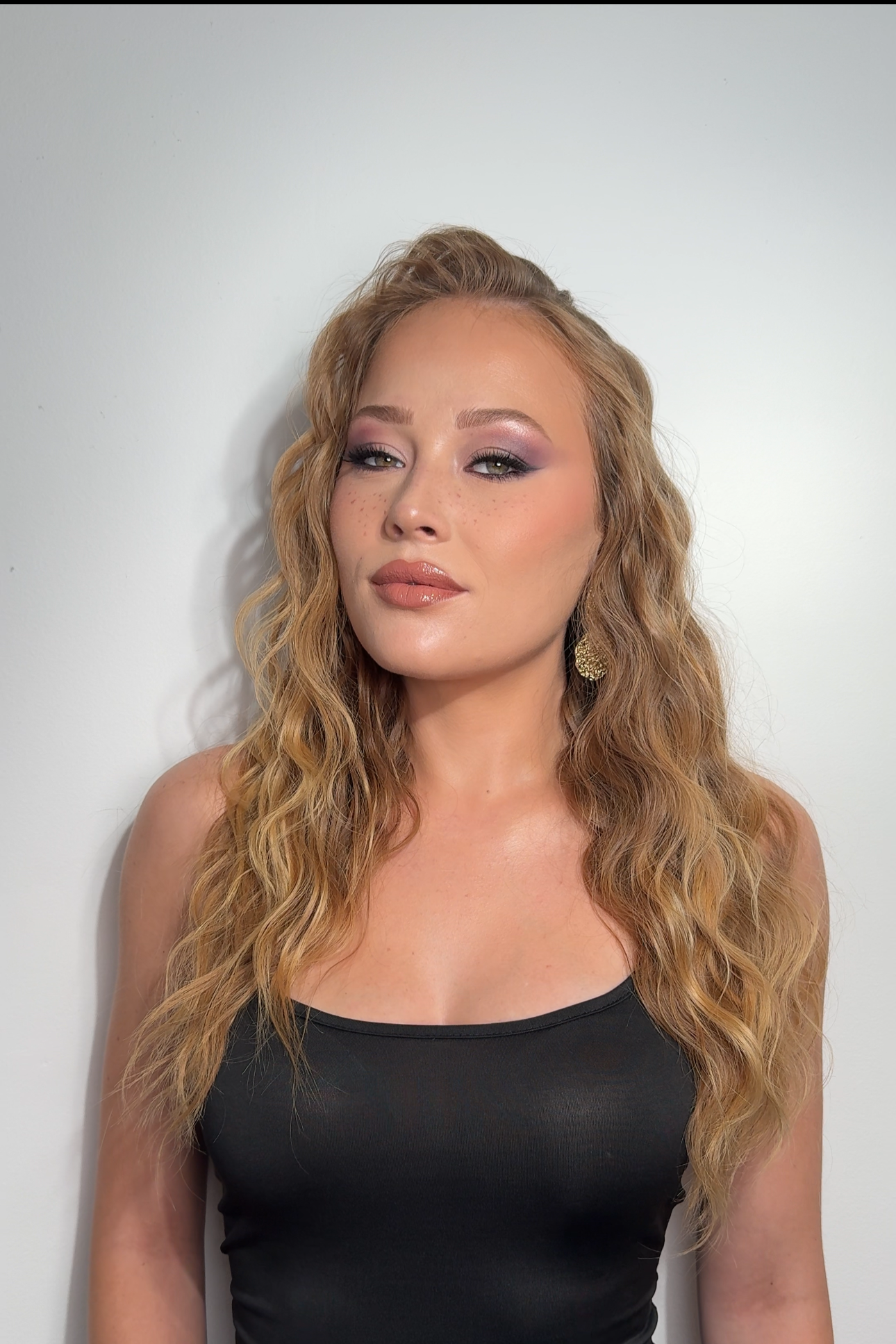
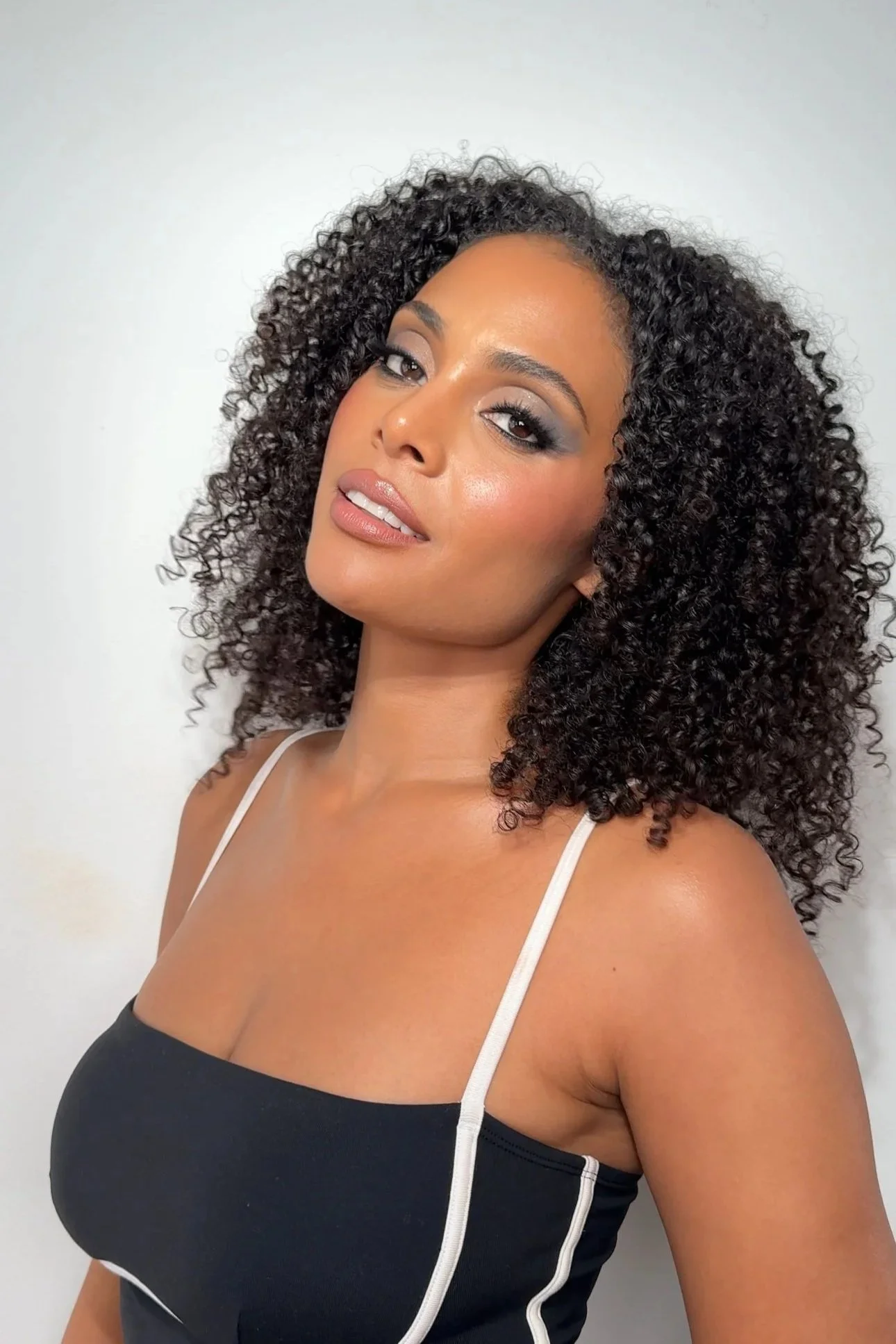
With Ruth B Medrano Beauty, I specialize in modern, chic glam designed to photograph beautifully while still feeling elevated and effortless in person.
Whether you’re attending a gala, celebrating a milestone event, or preparing for a photoshoot, professional hair and makeup ensures your look holds up under every flash of the camera.
I can’t wait to help you feel confident, camera-ready, and absolutely radiant.
-Ruth

Quick Reference FAQ
Why does my makeup look washed out in photos?
Makeup can appear washed out in photos because bright lighting and flash photography reduce contrast on the face. Cameras also flatten natural shadows, which can make bronzer, blush, and contour appear lighter than they look in person. Professional makeup artists often apply slightly more dimension so the features still show up clearly in photographs.
Why does my under-eye look white in flash photos?
This is called flashback, and it happens when certain ingredients in makeup reflect camera flash. Powders containing silica or titanium dioxide can bounce light back toward the camera, causing the under-eye area to appear bright white in photos. Professional artists choose products carefully to avoid this effect when flash photography is expected.
What makeup looks best for photography?
Makeup that photographs well typically includes well-prepped skin, balanced contour and highlight, and long-wear complexion products. Cream-based products often photograph more naturally, and slightly stronger definition in areas like brows and eyes helps maintain facial dimension on camera.
Why does my contour disappear in photos?
Cameras tend to flatten the face and reduce visible shadows, which can make contour appear much softer or disappear entirely in photographs. Makeup artists often place contour slightly higher or blend it strategically so the camera still captures facial structure.
Should makeup be heavier for photoshoots?
Makeup for photoshoots is usually slightly more defined than everyday makeup, but it should still look polished and balanced in person. The goal isn’t heavy makeup — it’s makeup that translates properly under lighting and high-resolution cameras.
Why does my foundation look different in photos?
Foundation can appear different in photos because of lighting conditions, flash reflection, and camera sensors. Some formulas can reflect light unevenly or shift color slightly under flash photography. Professional makeup artists select foundations that perform well under both natural and artificial lighting.
Does professional makeup really photograph better?
Yes! Professional makeup artists understand how lighting, flash photography, and camera lenses affect makeup. They adjust product selection, skin preparation, and placement techniques so the makeup looks beautiful both in person and in photographs.
How do celebrities make their makeup look so good in photos?
Celebrity makeup artists use techniques specifically designed for photography, including strategic contour placement, long-wear complexion products, and skin preparation that creates a smooth, luminous finish under bright lighting and flash photography.
Other Blog Posts you Might Enjoy:
Makeup for Every Skin Tone: How I Customize your Glam!
The Ultimate Red Carpet Skin Care Guide
Ruth B Medrano Beauty On Set - Photoshoot & Video Makeup & Hairstyling